So sit back and enjoy this short video a colleague sent me about his efforts to make "home made" Maple Syrup...
Environmental Scientist
International Sustainability and Energy Consultant
Contribute your comments!
Please use our SEARCH BOX above to find a specific subject. Also use our Membership link to receive access to valued benefits. This GTG Blog started on Earth Day 2013. Also see our "blog" style postings dating back to 1995 from our original two websites, as well as articles written and published since 1982 at our link Yesteryear Articles & Blogs.
|
Springtime is here and Maple Trees are sending their Sap upward to create new leaves on their branches. AND that means we can access some of that Sap to make Maple Syrup. So sit back and enjoy this short video a colleague sent me about his efforts to make "home made" Maple Syrup... Bill Lauto, at GoingTrueGreen.com
Environmental Scientist International Sustainability and Energy Consultant Contribute your comments!
0 Comments
I teach Survival Training, and the first item to know is the "Rules of Three" so you can set priorities.
The next rule will ask the question, What do we need in 3 weeks, where if we didn't have any, we would die? That is why I am asking what food are you growing this summer? Being able to grow our own food in a garden, rooftop, of windowsills, offers all of us a powerful gift where we can grow some food for ourselves! Benefits and Reasons: Save Money No Pesticides No Growth Hormones No Chemicals or Fertilizers No Genetically Modified Food Cooking Fresh and Eating Healthier Make Money Selling Surplus Crops Self Satisfaction when Sharing with Others Enjoying the Amazing Taste of Fresh Picked Food Enjoying Time Together to Can or make Preserves Abounding Compliments when Sharing with Others Peace Within Ourselves when Giving to others at Church’s Food Kitchen Less Trips to the Food Store, just Harvest Our Own Freshly Grown Food Having Homemade Gifts for others at Christmas, such as Blueberry Preserves or Grape Jam Even a business or corporations that have lawns or rooftop space, which cost them money to maintain, could be making money by having the space or land yield a crop such as organic corn. For most parts of America there are two crops of corn per year based on the weather. Every time I see a half acre or more of grass, and more grass, I see a waste compared to what God's Green Earth can yield for us in food. If everyone did what they could, we would have no need for Genetically Modified Food to feed the masses, because the masses will be feeding themselves. Thus we could delete hunger in our country, in our world.
Bill Lauto, at GoingTrueGreen.com Environmental Scientist International Sustainability and Energy Consultant Contribute your comments! Natural Wind Break on North Side of House About twenty years ago, I first wrote about this topic, and I believe the time has come to repeat some of the energy saving facts: Saving energy with Nature is easy by just using closely branched trees that grow in pyramidical or columnar form. They give height and body without excessive width. Planting would most likely be best on the north side of your house to block the cold winter winds. All in all, Evergreens would be best and you should contact a certified arborist to confirm what is best for your house. Basically any building will benefit from the wind chill factor being reduced by a Windbreak. Well designed windbreaks reduce energy costs up to 40 percent. The type of structure your house is made of and the overall efficiency of your heating system are just a few factors that determine the total savings. However, please realize that even if a savings of up to 40 percent is realized, that savings is NOT a 40 percent reduction in the total heating bill. The savings is 40 percent off the total amount of heat being lost by the house due to not having a Windbreak. For example: If heating is costing 7% more a year to keep the house warm because there is no Windbreak, then a 40% savings of that 7% heat lost will be saved after a Windbreak is installed. Also we must allow for the time all the trees take to grow. Bill Lauto, at GoingTrueGreen.com Environmental Scientist International Sustainability and Energy Consultant Contribute your comments!

ALL THREE SEASONSHerbs / Green Squash / Yellow Squash / Blueberries / Grapes / Tomatoes / Cucumbers / Strawberries / Beets Also as part of the GoingTrueGreen membership, you can email us specific questions on gardening anytime.
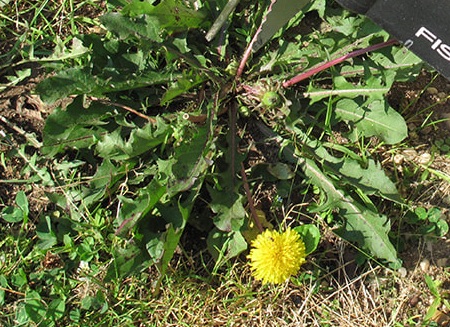
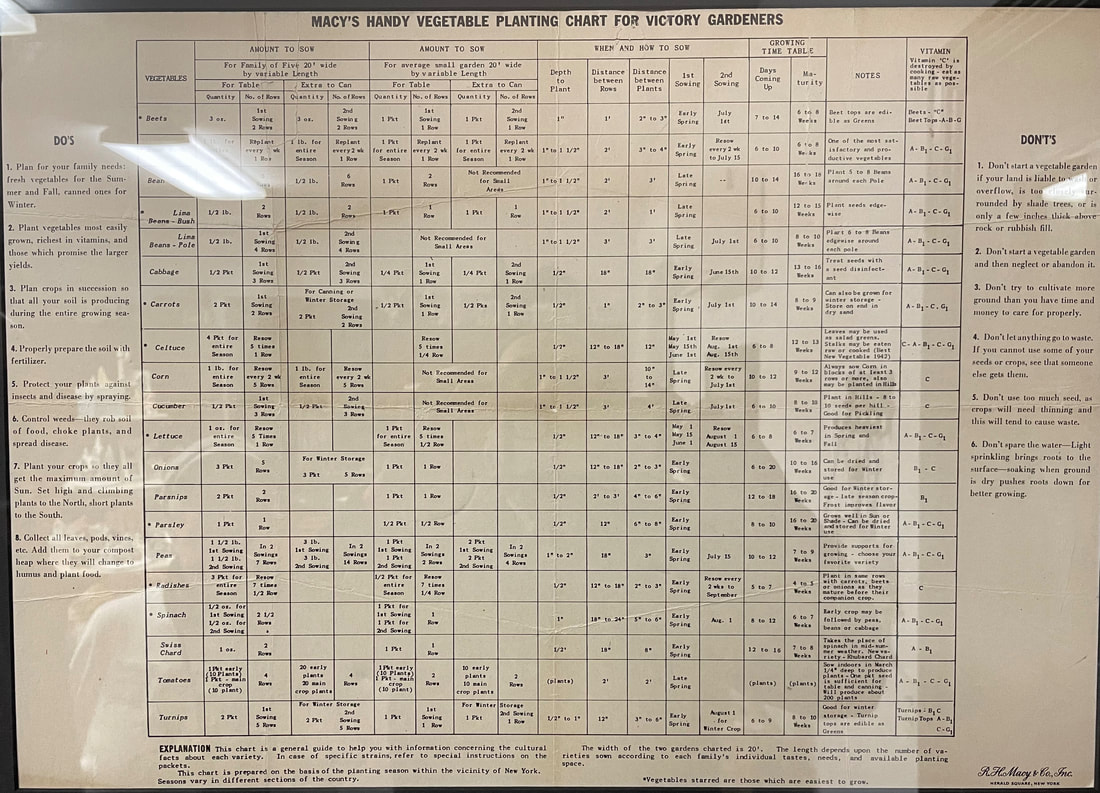
Happy planting ! Bill Lauto, at GoingTrueGreen.com Environmental Scientist International Sustainability and Energy Consultant Contribute your comments! How Do You Kill Weeds? I had read about research done on Glyphosate at MIT by Dr. Stephanie Seneff. Glyphosate is in herbicides that many people use throughout the world as a weed killer. The data Dr. Seneff presents on Glyphosate is very concerning and she believes that this chemical is a slow kill for humans and other lifeforms. Seneff, a senior researcher from the Massachusetts Institute of Technology, believes that the constant use of glyphosate throughout the world in agriculture since 1974, is the reason behind the dramatic increase in autism, diabetes, cancer, and allergies. One of the earliest glyphosate studies by Dr. Gilles-Éric Séralini, a French molecular biologist, showed that low exposure over a lifetime leads to shorter lifespans and organ damage in rats. Other laboratory studies on human cells show that glyphosate caused a major factor in cancer by DNA breakage in the cells. For years we have known that farmers have a higher risk of developing NHL (Non-Hodgkin Lymphoma) and a 2002 Swedish study showed the link with glyphosate to a three-fold increase in NHL. Seneff’s study presents that NHL may be due to glyphosate’s effect on micronutrients, particularly from deficiencies in manganese. Glyphosate can bond to metals such as manganese and magnesium. Dr. Seneff said she is encouraged by the recent Supreme Court cases where manufacturers lost an appeal for their glyphosate use and that the EPA was ordered by SCOTUS to re-evaluate certain products as carcinogenic. Additional recommendations from Dr. Seneff include staying away from highways where there’s a high exposure to car exhaust. Studies in Brazil have shown that the glyphosate in the air around highways and agricultural areas using herbicides is not much different. Another factor with glyphosate used to kill weeds, many plants such as corn, soy, canola, sugar beets, cotton and alfalfa are genetically modified so that they would not be harmed by glyphosate! This has significantly increased glyphosate content in plants especially when farmers also spraying the plants as opposed to just the weeds. As for solutions to reduce our intake of glyphosate, eat organic food and drink distilled water. Use a home made weed killer and pull weeds out with tools, such as the one made by Fiskar. Bill Lauto, at GoingTrueGreen.com Environmental Scientist International Sustainability and Energy Consultant Contribute your comments! This previous weekend, I joined the Three Village Historical Society, to take a candle light tour of historical homes near the area of the original small hamlet called Setauket on Long Island. This area is well known for operations conducted by George Washington’s spies, also know as the Secret Six. One of the homes on the tour focussed on their barn, garden and a room built for home canning of fruits and veggies grown. What caught my eye was the chart published by Macy’s department store on growing a Victory Garden at home in order to help with World War One's food supplies. My garden doesn’t come close to any property that could support what is presented on the chart, I only have about 10 feet by 25 feet of space to grow food. Nevertheless, I do what I am capable of within my own budget of time, money and knowledge. This available space that I use is almost half my back yard property. I am thankful for that amount of ground and I have chosen to grow food because of the following reasons:
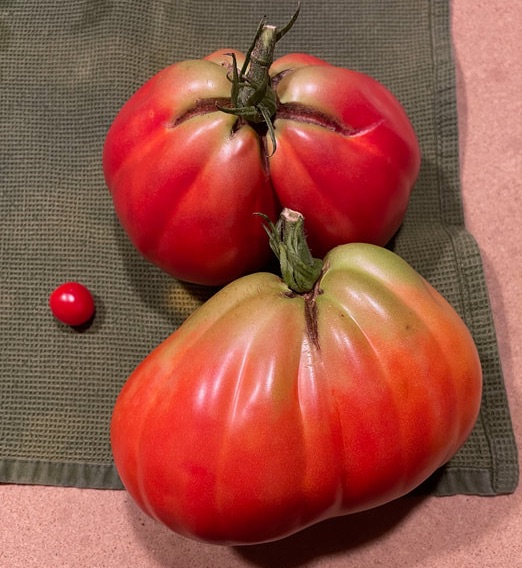

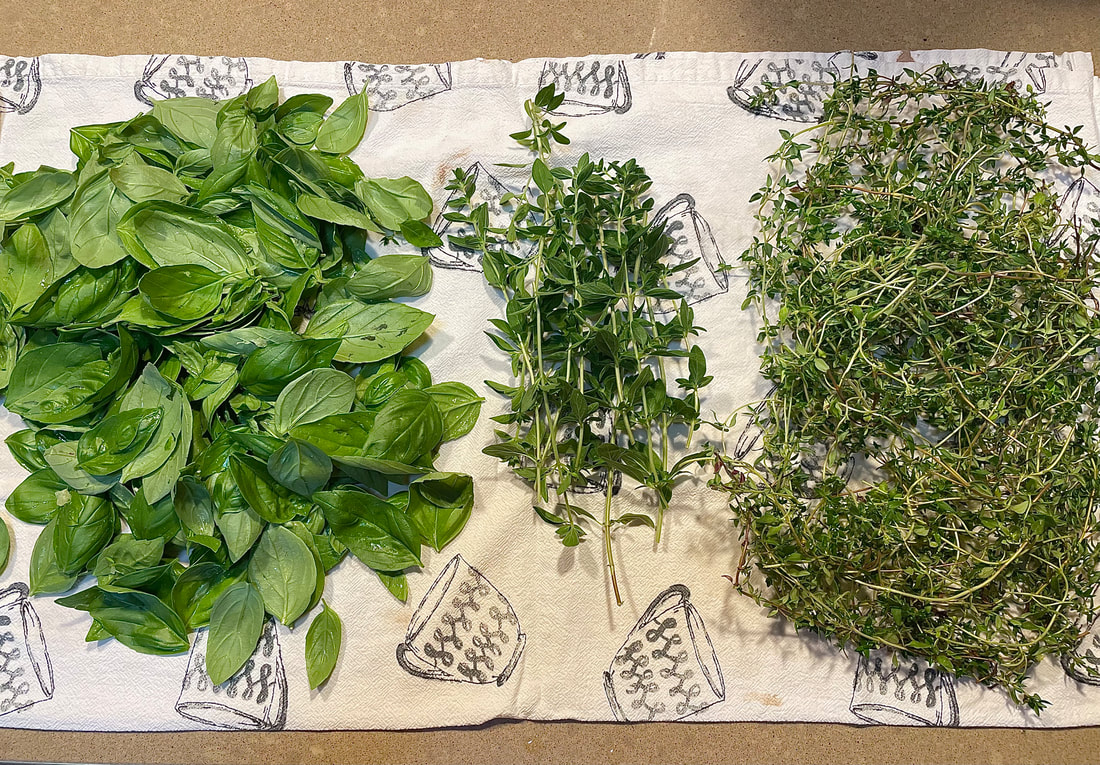
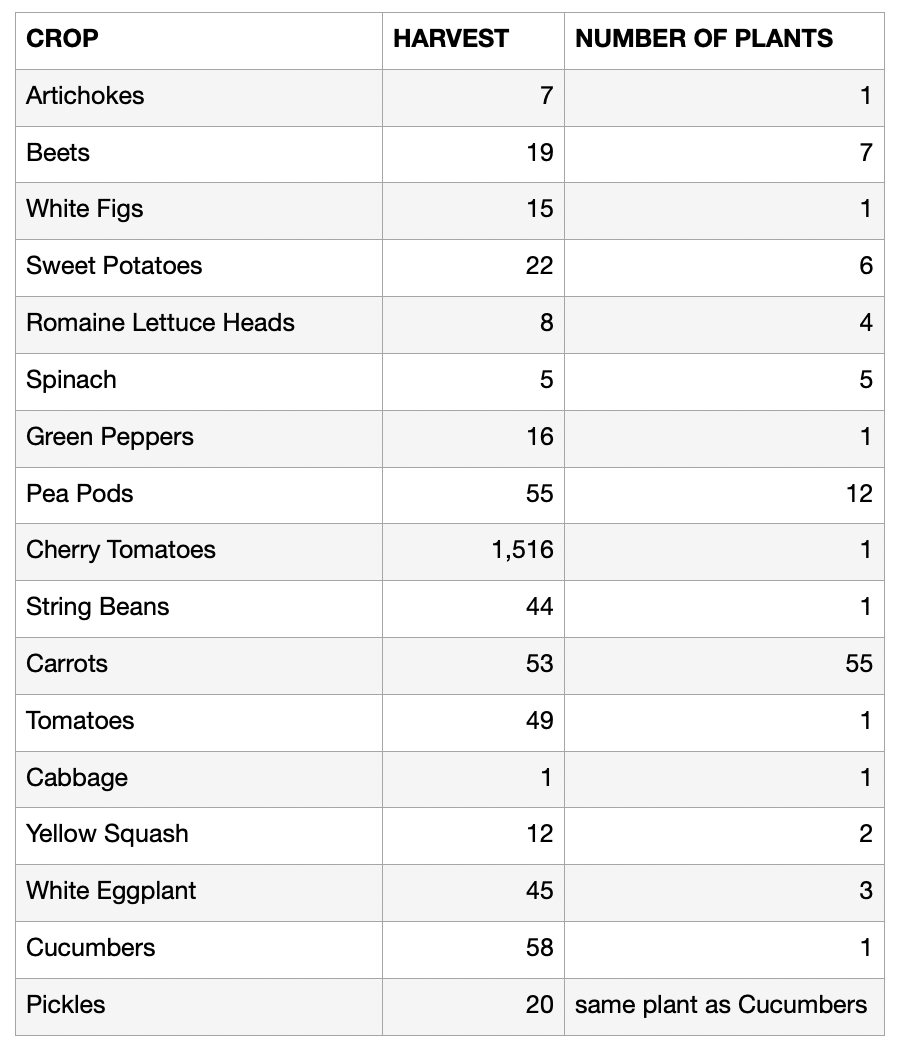
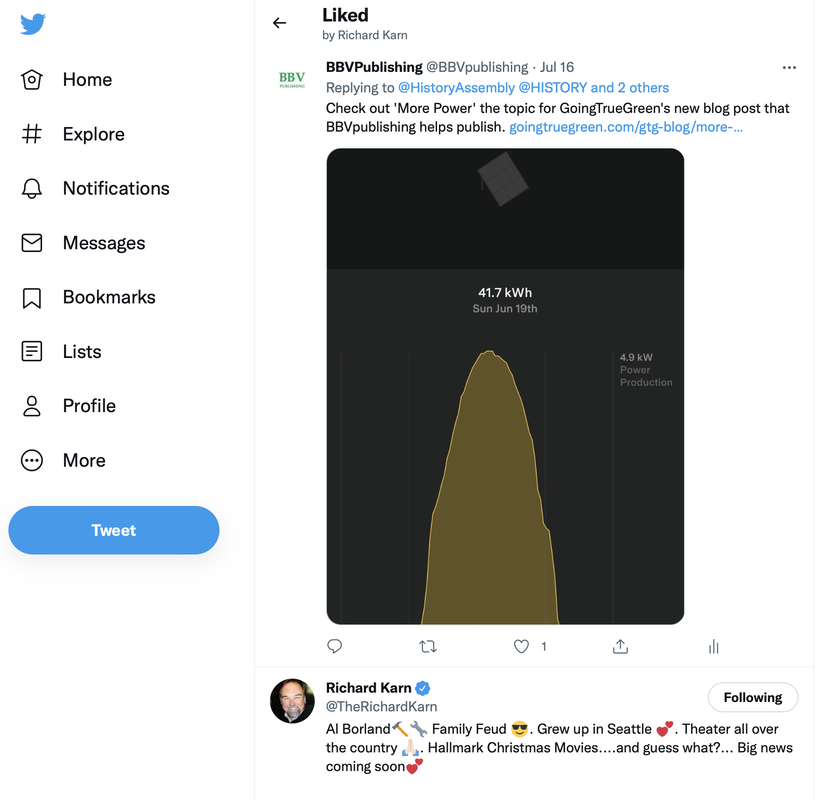
In total, for 2022, I harvested the following with the help of my small greenhouse and my own compost material that I used for nutrients: I also had blueberries, grapes, and the following herbs growing in cedar wood pots: Basil, Cilantro, Parsley, Oregano and Mint. Start small like I did so many years ago and slowly "grow" into the most you can grow. Each year is a new experience and the learning curve improves year after year. Changing the world as an individual with God's guidance is the only way our environment, our happiness and our future will be secured. As for Christmas Trees, peruse my previous GoingTrueGreen blog to learn what is best, real trees or plastic fake trees. Bill Lauto, at GoingTrueGreen.com Environmental Scientist International Sustainability and Energy Consultant Contribute your comments! Richard Karn who played the character Al Borland in the TV show Home Improvement saw and Liked our GoingTrueGreen blog called, MORE POWER. These two words happened to also be a widely used saying in the TV show, thus obtaining the attention of Mr. Karn. The information was put out by our parent company, BBV Publishing and the image below captures the details, as well as our more power created by my solar system on my energy efficient house. No electric bill what so ever for over 7 years now. In fact, the utility pays me for the excess power I create. AND all done without any sacrifices, yes the AC is running all summer long. Note the smooth rounded curve in the image! We are thankful and greatly appreciative to Mr. Karn for finding our blog noteworthy. Cherry tomato on left for size comparison In other news from GoingTrueGreen that has Rounded Curves, I want to share this image of my own homegrown bumpy tomatoes! They don't have smooth rounded curves because this is what tomatoes really looked like originally! The smooth rounded supermarket tomatoes are from the work done by Alexander Livingston in the 1860s where his hybrid tomato offered a more uniformly rounded fruit with more red color. Compared to the odd shape and bumpy original tomato, the groundbreaking work increased sales as the commodity was more pleasing to the eye. However tomatoes were misunderstood many times: - Fruit or Veggie? Tomatoes are fruit. - They were believed to be poisonous in eighteenth century Europe because aristocracy ate off of pewter plates which had lead in them. The tomatoes acidity caused some of the lead toxin to leach out and some people died from lead poisoning. - In the early 1900s, bigotry increased against Italian immigrants in New York City selling tomatoes on street carts, but the bill to label tomatoes poisonous and make them illegal to sell never came to be. Nevertheless, along with the first pizza being created in Naples Italy, the rest is history or herstory. Either way, his story or her story, the fruit is delicious. Especially when grown in your own garden, with your own compost and picked fresh to eat that very same day. Mangia! Mangia! Bill Lauto, at GoingTrueGreen.com Environmental Scientist International Sustainability and Energy Consultant Contribute your comments! Offset Recession and Inflation with a Garden I have been blogging for years that we all should grow whatever food we can, wherever we can. From empty lots to roof tops and from backyards to window sills. Below are a few Links to those blogs, peruse their content when you want to learn more: Victory Gardens / Mowing Down The Lawn / Green Earth / Benefits To Growing Food / Watermelon With Seeds Because the United States now has high Inflation along with a Recession added into the equation, the media is talking about the need for people to start thinking about growing some of their own food! After all, many Food Markets are low in stock and skimpy in available choices. Don't get me wrong, having a food garden of any size is work and having one to provide for yearly food needs is not possible for most of us. I put a great deal of time into my garden and that takes precision scheduling on my part. I have a well diversified work, business and volunteer schedule. I am not a farmer, yet this year I am enjoying the bounty of fresh grown produce such as: So please don't hesitate giving a GO or Hand at growing a food garden. Especially now that prices are through the sky with our economy holding high inflation and saddled with a recession. Also do not overlook composting! Use my 'SEARCH' box at the very top of each page to find info and blogs on composting.
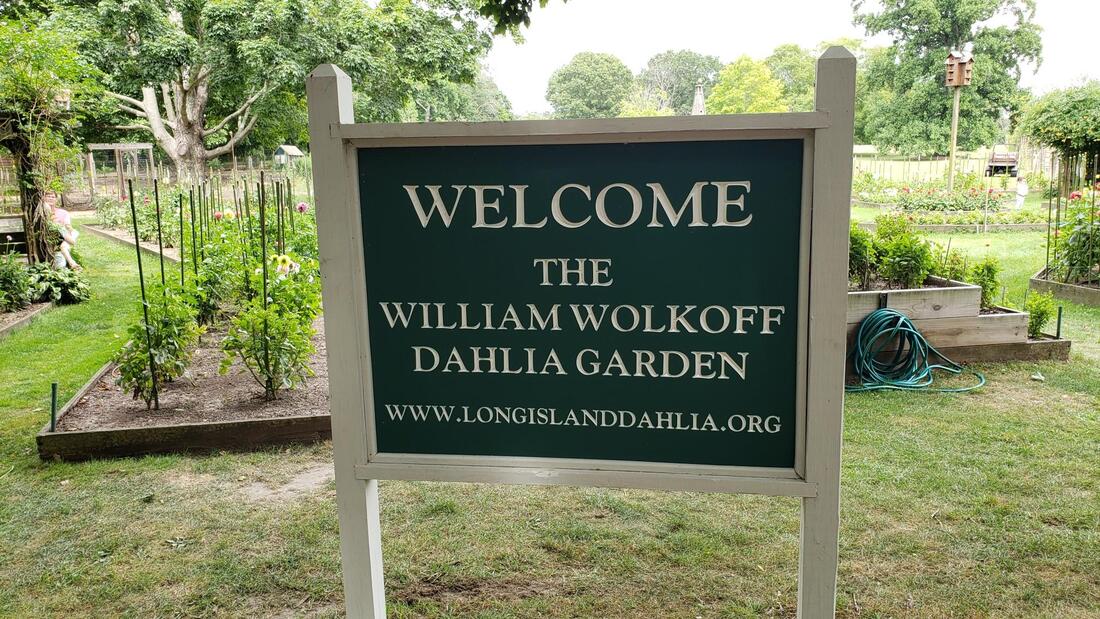
Bill Lauto, at GoingTrueGreen.com Environmental Scientist International Sustainability and Energy Consultant Contribute your comments! Cherry Tomatoes As the leaves on my one Cherry Tomato plant start to wither due to the extra cold nights and minimal sunlight from the shorter winter days, I look back on the last 7 months and the One Thousand Cherry Tomatoes which we received. There are about 25 green Cherry Tomatoes still on the plant, but after picking the 1,000th one yesterday, I am not sure if the remaining ones will ripen. Nevertheless, I am sharing this information to inspire others to also grow whatever they deem possible. A yard, terrace, window shelf and applicable roof, will all suffice to various degrees. For me the following actions have brought me to 1,000 Cherry Tomatoes from one plant: - Composting - A greenhouse - A rope trestle (The plant grew 7 feet tall and then curve back downward 7 feet) - A soaker gardenhose with timer - Pruning and pruning and pruning - Natural homemade spray for bugs - Marigolds for insects - More Compost We enjoyed the 1,000 Cherry tomatoes by making: Soups Salads Bruschetta Pasta Sauce Pizza Sauce and just eating them as a snack! Also we loved sharing them with friends and family who stopped by for a visit. Bill Lauto, at GoingTrueGreen.com Environmental Scientist International Sustainability and Energy Consultant Contribute your comments! I am not a farmer, I only have about 10 feet by 25 feet of space to grow food and I do the best that I am capable of within my own budget of time, money and knowledge. This available space that I use is almost half my back yard. I am thankful for that amount of ground and I have chosen to grow food over using the space for any of the other outdoor elements people enjoy. Why? So I can eat fresh amazing tasting food, so I can share the same with family and friends, so I can appreciate what is "needed" for a happy life, not what is "wanted". So I can enjoy the wonder shown on the faces of those who taste a carrot just harvested from the earth for the first time, so I can watch the smile grow on a child after they enjoy the grape jam just made or the astonished look on my father when he says: "This is the most delicious tomato I ever had, and I have eaten many tomatoes over my 89 years of life!" And the last reason is to be more humus, the Latin humus definition. I am sharing all this because I am not only thankful to God for what I Harvest, I am shocked at how well my organic food growing has turned out. Due to this, I want to offer support and confidence to everyone else with a yard, windowsill, rooftop or empty field to do the same. Just imagine if we all used the space available to us to grow food how that would change the world. More organic food means less chemicals, more food for those in need and delicious amazing fresh meals made for those that come over to share a table and give thanks with us. Now please do not assume that I have everything working out so easily. While this year has produced the most produce for me, I also had the most in failed crops. I had planted 8 Brussel sprout plants and lost all to insects, my sweet pea crop was almost ready to harvest and then turned white as they died off, and the scallions I planted have failed to sprout. Nevertheless, my harvest can be your kind of harvest within your available space, time and money. The images playing in the video above are some dishes made and food grown. In total so far this year, I harvested the following with the help of my own compost material that I used for topsoil and nutrients: 6 Beets, one plant
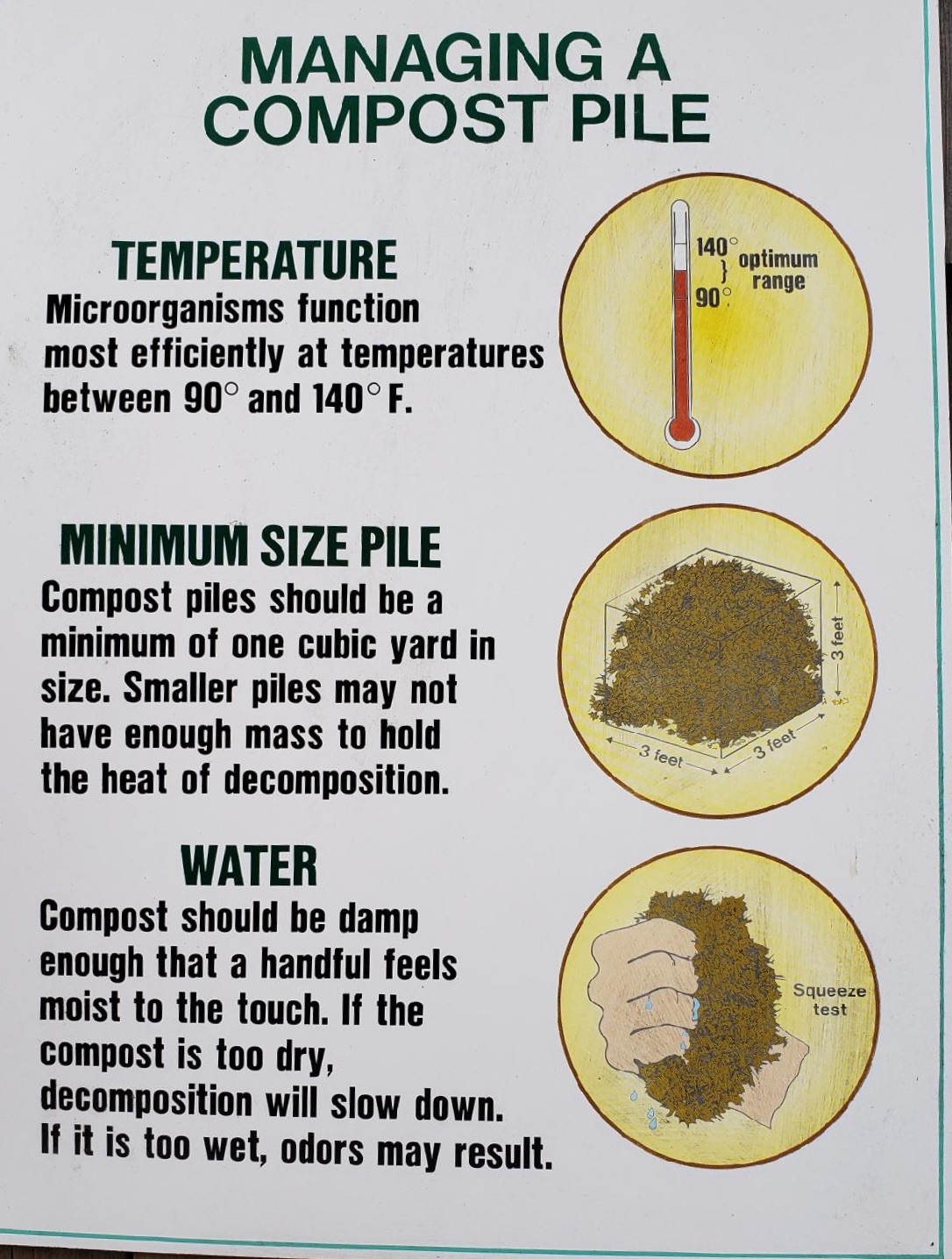
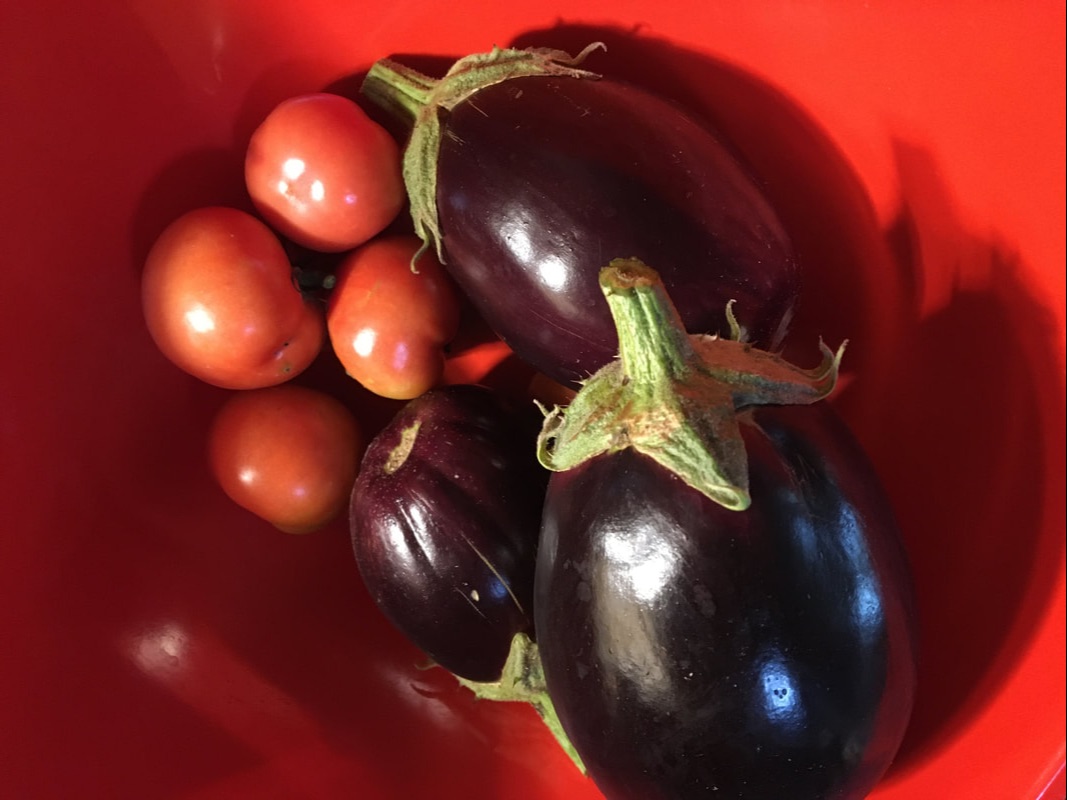
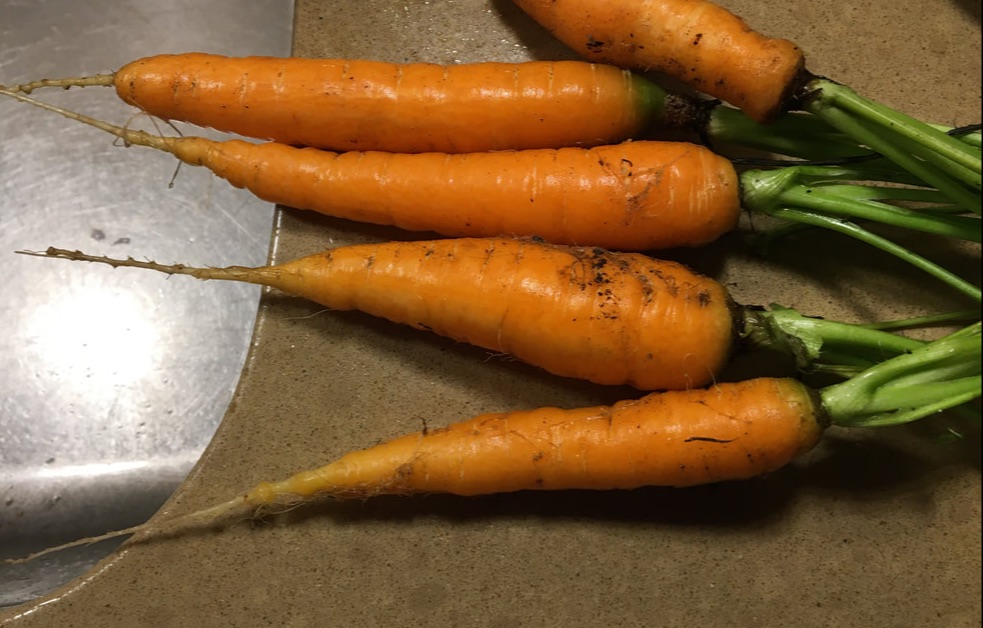
82 cucumbers, one plant 15 Zucchini, one plant 491 Cherry Tomatoes and counting, one plant 10 Roma Tomatoes and counting, one plant 12 White Eggplant and counting, three plants 10 Purple Eggplant and counting, one plant 5 Green Peppers and counting, one plant 14 carrots and counting I also had / have blueberries, grapes, figs, onions and several herbs growing in cedar wood pots. Start small like I did so many years ago and slowly "grow" into the most you can grow. Each year is a new experience and the learning curve improves year after year. Changing the world as an individual with God's guidance is the only way our environment, our happiness and our future will be secured. Bill Lauto, at GoingTrueGreen.com Environmental Scientist International Sustainability and Energy Consultant Contribute your comments! |
Follow GTG BlogPlease us SEARCH box at very top of page to find specific topics of interest or our Categories below. Also please consider becoming a GTG MEMBER. Thank you.
Honors, Going True Green's Blog received, are below:
Categories
All
Author:
|
Parent Company:
Copyrights © 1995, 1998, 2000, 2013,
2019, 2020, 2025 by BBV Publishing. All rights reserved |
Noteworthy: |